What Makes a Successful Diabetic Alert Dog Team?
/What Makes a Successful Diabetic Alert Dog Team?
Diabetic Alert Dogs: Benefits, Challenges, and the Reality of Ongoing Training
Diabetic alert dogs can be life-changing for individuals and families living with diabetes. These highly trained service dogs are capable of detecting changes in blood sugar levels through scent and alerting their handler before a medical episode becomes dangerous. When properly trained and consistently reinforced, diabetic alert dogs can provide an added layer of safety, confidence, and independence.
However, owning and handling a diabetic alert dog is not passive. It is a long-term commitment that requires daily effort, education, and consistency. Understanding both the benefits and the challenges helps families set realistic expectations and build a successful partnership.
The Benefits of a Diabetic Alert Dog
*Early Detection and Increased Safety
One of the most significant benefits of a diabetic alert dog is their ability to detect blood sugar changes before traditional monitoring devices may alert. Early warnings allow handlers to respond proactively, reducing the risk of severe highs or lows.
*Peace of Mind for Families
For parents of children with diabetes, diabetic alert dogs often bring improved sleep and reduced anxiety. Knowing that a trained dog is monitoring scent changes, especially overnight, can provide reassurance and emotional relief.
*Increased Independence
Handlers often experience greater confidence when attending school, traveling, or participating in daily activities. The presence of a reliable service dog can make previously stressful situations more manageable.
*Emotional Confidence
While diabetic alert dogs are medical service dogs, not emotional support animals, the bond formed through consistent training and teamwork often results in increased confidence and emotional stability for the handler.
The Reality: Challenges of Living With a Diabetic Alert Dog
While the benefits are powerful, it is equally important to understand the challenges that come with this partnership.
*Ongoing Training Is Not Optional
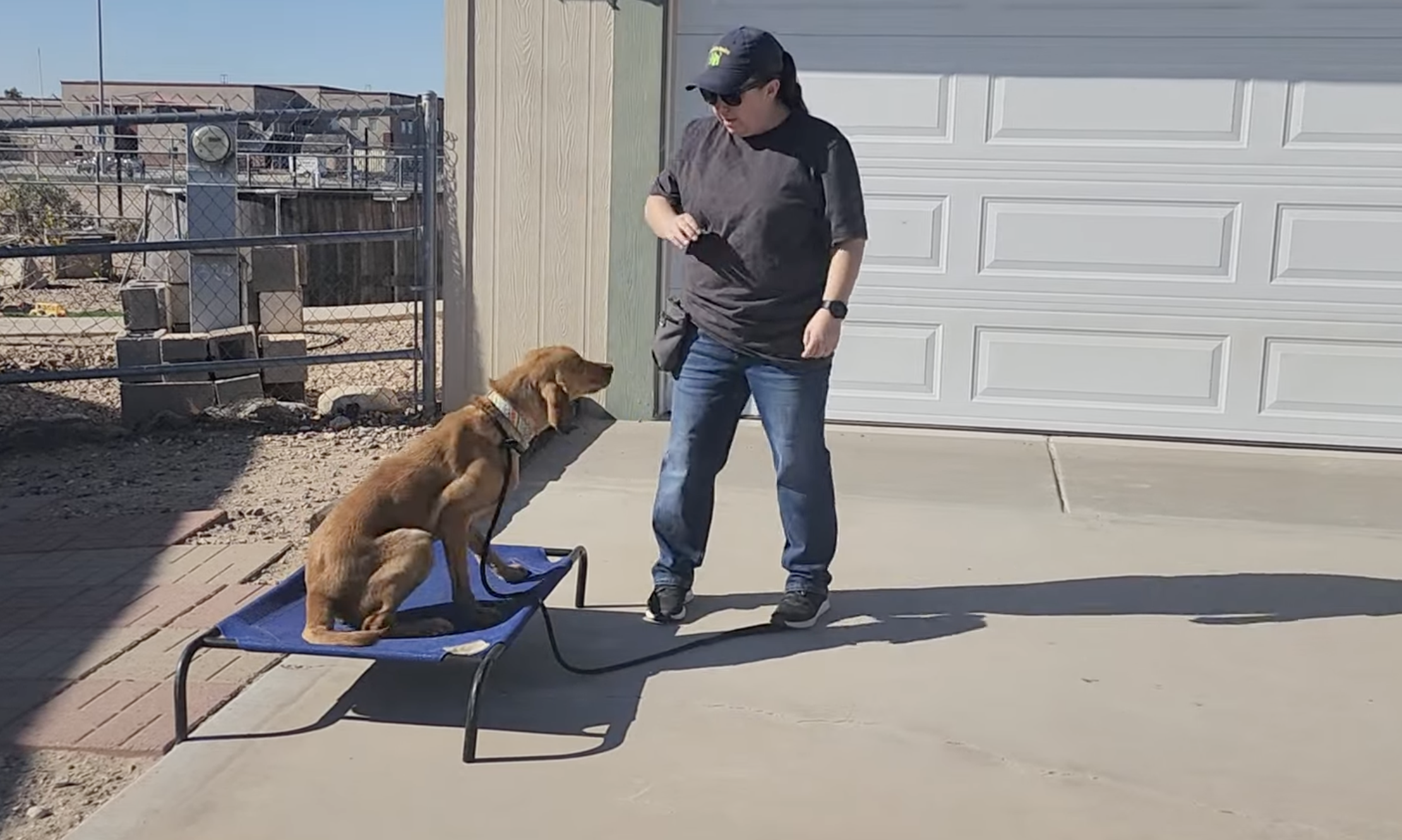
A diabetic alert dog’s training does not end after placement or after one year of formal training. In fact, the transition home is when the handler’s work truly begins.
*Training must be maintained in three major areas:
Obedience
Public access behavior
Scent training
Without consistent reinforcement, skills can weaken over time.
Time Commitment and Consistency
Daily training requires time, planning, and follow-through. Families must be willing to practice, reinforce alerts, and maintain expectations even on busy or difficult days.
Inconsistency can lead to confusion, reduced reliability, and stress for both the dog and the handler.
Public Access Responsibilities
Diabetic alert dogs must remain calm, focused, and neutral in public spaces. This level of reliability requires continued exposure, proofing, reinforcement, and the handler’s ability to monitor the dog’s body language. Public access skills must be practiced and protected throughout the dog’s working life.
Why Scent Training Is Critical and Always Ongoing
Scent training is the foundation of a diabetic alert dog’s work. These dogs are trained to recognize specific scent changes associated with blood sugar fluctuations. Scent recognition is a learned behavior that must be consistently reinforced.
How Scent Reliability Is Maintained
For a newly placed diabetic alert dog, especially one who has just completed their first year of training, scent work should be practiced approximately 7 to 10 times per day. These sessions are typically short and structured, and they help:
Maintain alert accuracy
Strengthen motivation to alert
Reinforce the scent-to-alert connection
Prevent extinction of trained behaviors
What Can Happen When Scent Training Is Not Practiced
When scent training is not maintained consistently, handlers may observe:
Missed or delayed alerts
Hesitation or uncertainty during scent presentation
Decreased confidence in alerting
Increased distractibility
Reduced engagement with the handler
General decline in obedience or focus
These changes are not a sign of failure or stubbornness. They are indicators that reinforcement and clarity are missing from the dog’s daily routine.
The Handler’s Role in Maintaining Reliability
A diabetic alert dog is only as reliable as the system supporting them. Handlers play a critical role in:
Recognizing and reinforcing correct alerts
Responding appropriately to alerts
Maintaining daily routines
Continuing obedience and public access training
Protecting the dog from burnout or confusion
Ongoing education and support help handlers adjust training as the dog matures and as life circumstances change.
Obedience and Public Access Training Never End
Strong obedience supports reliable scent work. A dog that understands expectations and remains emotionally regulated is better able to focus on scent detection.
Public access training must also continue throughout the dog’s working life. Skills learned in controlled environments must be practiced in real-world settings to remain dependable.
Long-Term Success Through Consistent Dedication
When families commit to continued training and reinforcement, diabetic alert dogs can remain reliable, confident, and effective working partners for many years.
Consistent dedication leads to:
Stronger alert accuracy
Improved confidence in public settings
Clearer handler-dog communication
Reduced stress for the dog
Greater overall quality of life for the family
A diabetic alert dog is not a replacement for medical care, but when paired with responsible handling and ongoing training, they can be an invaluable part of diabetes management.
Final Thoughts
Diabetic alert dogs offer incredible benefits, but success depends on realistic expectations and consistent effort. Training, especially scent work, must remain a daily priority, particularly during the early transition period after placement.
With education, structure, and dedication, diabetic alert dogs can thrive in their role and provide life-changing support to the families who depend on them. 💙🐕🦺